Call us now :+8613524158277
 Send Inquiry

 Send Inquiry
Calcium Carbide
MOQ : 1 FCL 20 MT Metric Ton
Calcium Carbide Specification
- Application
- Used in the production of acetylene gas, steelmaking, desulphurization agents, carbide lamps, and as a chemical intermediate
- Smell
- Strong garlic-like odor (due to impurities)
- Ingredients
- Calcium Carbide (CaC2)
- Physical Form
- Solid (lumps)
- Solubility
- Reacts with water, slightly soluble in alcohol
- Poisonous
- YES
- Storage
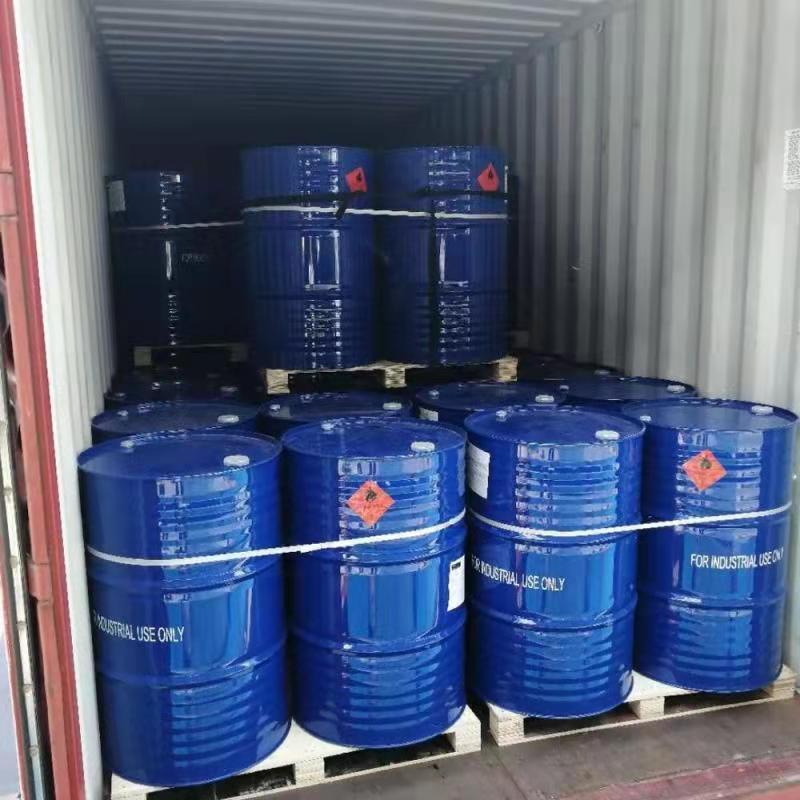
- Store in tightly closed containers in a cool, dry, well-ventilated area; protect from moisture
- Taste
- Not applicable / Not to taste
- Structural Formula
- CaC2
- EINECS No
- 200-848-3
- Purity
- 80% - 85%
- Molecular Weight
- 64.10 g/mol
- Product Type
- Inorganic Chemical
- Density
- 2.22 Gram per cubic centimeter(g/cm3)
- Shelf Life
- One year under proper storage conditions
- HS Code
- 28491000
- Appearance
- Greyish to black solid
- Grade
- Technical Grade / Industrial Grade
- Usage
- Generation of acetylene gas for welding and cutting, fruit ripening, steel industry
- Shape
- Irregular lumps
- Properties
- Reacts with water to produce acetylene gas; emits heat during reaction; strong reducing agent
- Melting Point
- 2160°C
- CAS No
- 75-20-7
- Molecular Formula
- CaC2
- Ph Level
- N/A (does not dissolve in water; forms alkaline solution on reaction)
- Hazard Class
- Class 4.3 (Substances which, in contact with water, emit flammable gases)
- UN Number
- 1402
- Toxicity
- Can release toxic gases when in contact with water or acids
- Granule Size
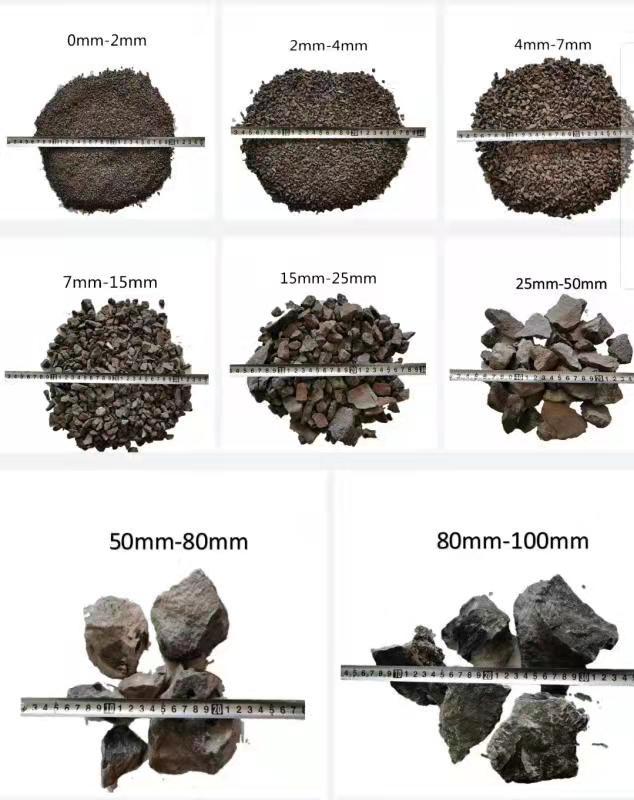
- 25-80 mm typical (also available in other sizes)
- Recommended PPE
- Gloves, protective goggles, dust mask
- Packing
- Packed in sealed drums, iron barrels or airtight containers
- Acetylene Yield
- Above 295 L/kg (at 20C, 1 atm)
- Color
- Grey to blackish
Calcium Carbide Trade Information
- Minimum Order Quantity
- 1 FCL 20 MT Metric Ton
- Supply Ability
- 20000 Per Day
- Delivery Time
- 30 Days
- Main Export Market(s)
- Asia, Australia, Central America, North America, South America, Eastern Europe, Western Europe, Africa
About Calcium Carbide
| Product | calcium carbide |
| H.S.CODE | 28491000 |
| CAS NO. | 75-20-7 |
| EINECS NO. | 200-848-3 |
| Color | Grey, dark grey |
| Usage | Producing acetylene gas |
| Grade | tech grade |
| Appearance | Grey or dark grey stone |
Industrial Applications of Calcium Carbide
Calcium carbide finds application in various fields, notably for generating acetylene gas used in welding and cutting torches, and as a desulphurization agent in steelmaking. It's also integral in producing carbide lamps and as an intermediate in the chemical manufacturing process. Thanks to its reactivity and high purity (80-85%), it supports several key industrial processes.
Handling and Storage Guidelines
Proper handling and storage of calcium carbide are crucial due to its high reactivity and toxicity. It should be kept in tightly closed containers, away from moisture and in well-ventilated areas. Direct contact with water should be strictly avoided during storage to prevent accidental gas generation and hazards. With appropriate precautions, calcium carbide has a shelf life of one year.
FAQ's of Calcium Carbide:
Q: How is calcium carbide used in acetylene gas production?
A: Calcium carbide reacts with water to produce acetylene gas (C2H2) and calcium hydroxide. This process is commonly used in generating acetylene for cutting and welding torches in industrial applications.Q: What precautions should be taken when storing calcium carbide?
A: Calcium carbide must be stored in tightly sealed containers, in cool, dry, and well-ventilated locations. It should be kept away from moisture to prevent dangerous reactions and accidental gas release.Q: Where is calcium carbide commonly used apart from gas generation?
A: Besides acetylene production, calcium carbide is utilized as a desulphurization agent in steelmaking, for making carbide lamps, fruit ripening, and as a chemical intermediate in various manufacturing processes.Q: What benefits does calcium carbide offer in industrial applications?
A: Calcium carbide's strong reducing properties make it effective for removing sulfur in steel, and its quick reaction with water ensures a reliable supply of acetylene gas. Its versatility reduces operational downtime and supports multiple manufacturing sectors.Q: When does calcium carbide become hazardous during use?
A: Calcium carbide becomes hazardous when it comes into contact with moisture or water, releasing flammable acetylene gas and heat. The gas is toxic if inhaled, and the substance itself is considered poisonous, necessitating careful handling.Q: What is the recommended process for using calcium carbide in steelmaking?
A: In steelmaking, calcium carbide is added as a desulphurization agent. It reacts with sulfur in molten iron, forming compounds that can be removed easily, thus purifying the steel.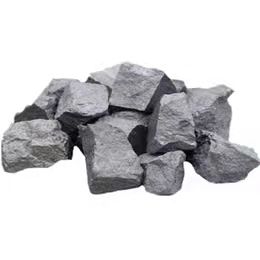
Tell us about your requirement

Price:
Quantity
Select Unit
- 50
- 100
- 200
- 250
- 500
- 1000+
Additional detail
Mobile number
Email

More Products in Industrial Chemical Category
Ferro Silicon
Price Range 150.00 - 500.00 USD ($) / Metric Ton
Minimum Order Quantity : 1 FCL 20 MT Metric Ton
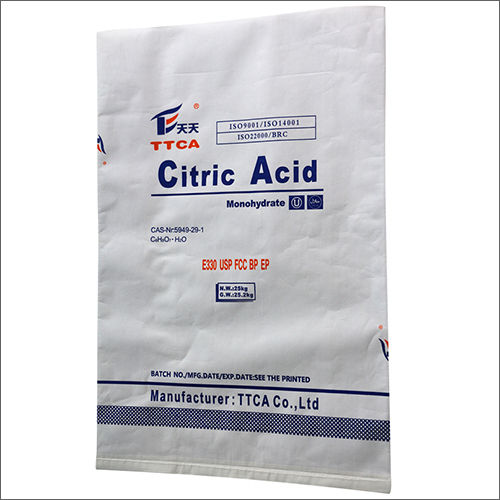
Citric Acid Monohydrate
Price Range 150.00 - 500.00 USD ($) / Metric Ton
Minimum Order Quantity : 1 FCL 20 MT Metric Ton, ,
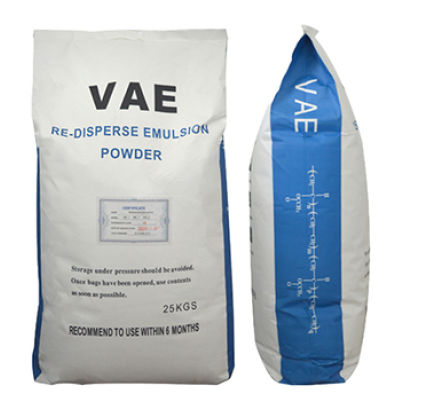
Re-Disperse Emulsion Powder
Price Range 150.00 - 500.00 USD ($) / Metric Ton
Minimum Order Quantity : 1 FCL 20 MT Metric Ton, ,
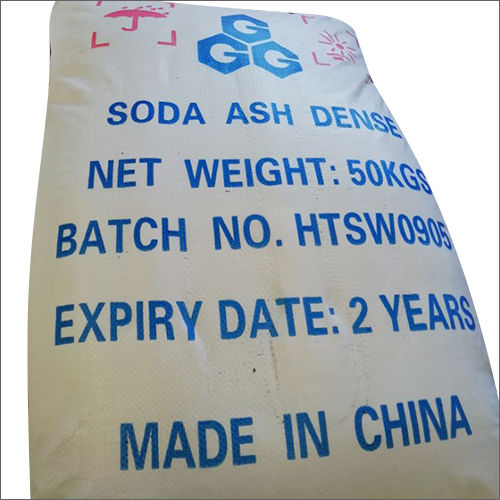
50kg Soda Ash Dense
Price Range 150.00 - 500.00 USD ($) / Metric Ton
Minimum Order Quantity : 1 FCL 20 MT Metric Ton


 Send Inquiry
Our Products

Dongmafang, Yingcheng - 200435, Hubei, China
Contact Details
 :+86-13524158277
Email id: smalltown126@msn.com

Mr Mike Xia
(Sales Director)
Mobile :+8613524158277, +8615821886114
 Send Inquiry

Developed and Managed by Infocom Network Private Limited.
