Call us now :+8613524158277
 Send Inquiry

 Send Inquiry
Xanthan Gum
Price 2000 USD ($)/ Metric Ton
MOQ : 1 FCL 20 MT Metric Ton, ,
Xanthan Gum Specification
- Assay
- 99%
- Physical Form
- Powder
- Molecular Formula
- C35H49O29
- Solid Content
- Min. 91%
- Smell
- Odorless
- Taste
- Neutral
- Melting Point
- Decomposes before melting
- Solubility Tests
- Readily soluble in cold and hot water
- Heavy Metal (%)
- 0.002%
- Shelf Life
- 2 Years
- Water Solubility
- Soluble
- Appearance
- Powder
- CAS No
- 11138-66-2
- Other Names
- Corn Sugar Gum; Xanthan
- Type
- Thickener, Stabilizer
- Color
- Off-white to light yellow
- Purity
- 99% min
- Application
- Food additive, pharmaceutical, cosmetics, oil drilling, textiles
- Storage
- Cool and dry place
- Ash Content
- 16%
- pH (1% solution)
- 6.0 - 8.0
- Particle Size
- 200 mesh max
- Loss on Drying
- 15.0%
- Packing
- 25 kg net paper bags with inner plastic bag
- EINECS No
- 234-394-2
- Viscosity (1% KCl, cps)
- 1200
Xanthan Gum Trade Information
- Minimum Order Quantity
- 1 FCL 20 MT Metric Ton, ,
- Supply Ability
- 20000 Per Day
- Delivery Time
- 30 Days
- Main Export Market(s)
- Asia, Australia, Central America, North America, South America, Eastern Europe, Western Europe, Middle East, Africa
About Xanthan Gum
1.Chemical name: Xanthan gum2.Alias: Xanthan
3.CAS11138-66-2
4.Chemical formula: (C35H49O29)n
5. AppearanceLight yellow to white flowable powder.
1. Xanthan gum is widely used in food-making as Thickeners, Emulsifiers.
2. It can also be used in detergent, papermaking, oil-drilling, textile, dyeing, ceramics, construction, paint, welding, battery,
medicine, tobacco, toothpaste, cosmetics, etc.
2. It can also be used in detergent, papermaking, oil-drilling, textile, dyeing, ceramics, construction, paint, welding, battery,
medicine, tobacco, toothpaste, cosmetics, etc.
Specification
Xanthan gum food grade 80mesh
Xanthan gum food grade 200mesh
Xanthan gum 80mesh E415
Xanthan gum 200mesh E415
Xanthan gum 80mesh E415 AMYLASE FREE
Xanthan gum 200mesh E415 AMYLASE FREE
Xanthan gum 80mesh FCC
Xanthan gum 200mesh FCC
Xanthan gum for Oil drilling 80mesh
Xanthan gum for Oil drilling 200mesh
Xanthan gum food grade 200mesh
Xanthan gum 80mesh E415
Xanthan gum 200mesh E415
Xanthan gum 80mesh E415 AMYLASE FREE
Xanthan gum 200mesh E415 AMYLASE FREE
Xanthan gum 80mesh FCC
Xanthan gum 200mesh FCC
Xanthan gum for Oil drilling 80mesh
Xanthan gum for Oil drilling 200mesh
Key Properties and Specifications
This Xanthan Gum features a particle size of up to 200 mesh, high solids content (min. 91%), and an assay of 99%. It maintains a neutral taste and odorless quality, offering ease of incorporation into formulations. With a viscosity of 1200 cps (1% KCl solution), pH range of 6.0-8.0, and minimal loss on drying (15%), it meets stringent industry standards. Its water solubility and stability make it suitable for a broad spectrum of end-use applications.
Versatile Industrial and Commercial Applications
Widely used as a thickener and stabilizer, Xanthan Gum's reliable performance suits the needs of food additives, pharmaceuticals, cosmetics, oil drilling, and textiles. It enhances texture and stability in food preparations, improves flow properties in drilling fluids, and acts as a suspending agent in cosmetic formulations. Its broad compatibility and safety profile make it a preferred choice for manufacturers worldwide.
FAQ's of Xanthan Gum:
Q: How should Xanthan Gum be stored to maintain its quality?
A: Xanthan Gum should be stored in a cool, dry place in its original, sealed 25 kg paper bags with inner plastic lining. Proper storage conditions will preserve its stability, effectiveness, and maintain its 2-year shelf life.Q: What is the recommended process for dissolving Xanthan Gum in water?
A: To dissolve Xanthan Gum, slowly add it to cold or hot water while stirring to ensure even dispersion. Its excellent solubility and fine mesh size help it hydrate quickly, preventing clumping and forming a smooth, consistent solution.Q: When is Xanthan Gum typically added during food or industrial processing?
A: In most processes, Xanthan Gum is incorporated at the mixing or blending stage, before heating or final mixing, to maximize its thickening and stabilizing properties. The timing ensures uniform distribution and optimal viscosity.Q: Where can Xanthan Gum be applied across industries?
A: Xanthan Gum is used globally in food production (as a stabilizer and thickener), pharmaceuticals, cosmetics (for texture), textiles (to improve fabric quality), and oil drilling (to regulate fluid flow). Its broad application range makes it versatile for various sectors.Q: What are the benefits of using Xanthan Gum with a 200 mesh particle size?
A: A 200 mesh particle size provides a finely divided powder that disperses more easily, hydrates faster, and produces smoother solutions or gels, improving the consistency and quality of end products.Q: How does Xanthan Gum enhance product performance in formulations?
A: Xanthan Gum improves viscosity, stabilizes emulsions, suspends particulates, and enhances mouthfeel without affecting flavor, making it invaluable for food, cosmetic, and pharmaceutical applications.
Tell us about your requirement

Price:
Quantity
Select Unit
- 50
- 100
- 200
- 250
- 500
- 1000+
Additional detail
Mobile number
Email

More Products in Food Grade Chemical Category
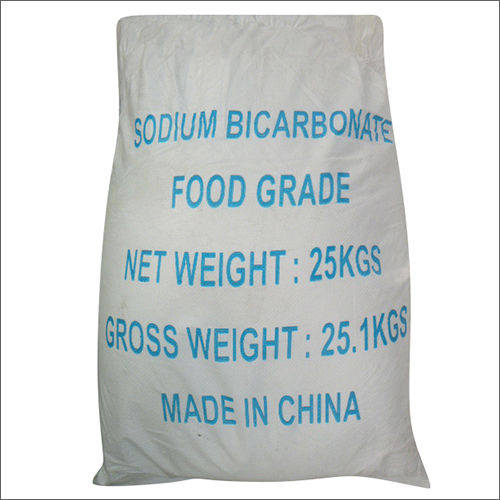
25Kg Sodium Bicarbonate
Price Range 150.00 - 500.00 USD ($) / Metric Ton
Minimum Order Quantity : 1 FCL 20 MT Metric Ton
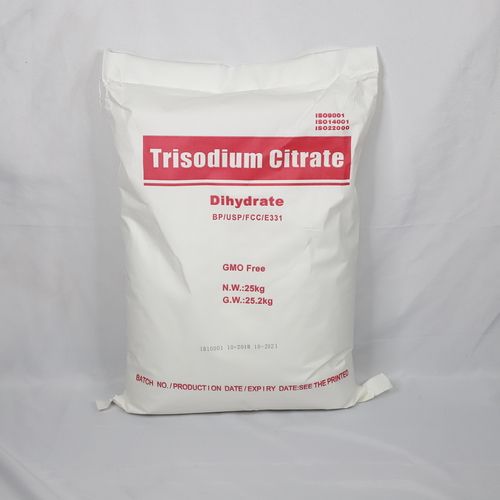
Trisodium Citrate
Price Range 150.00 - 500.00 USD ($) / Metric Ton
Minimum Order Quantity : 1 FCL 20 MT Metric Ton
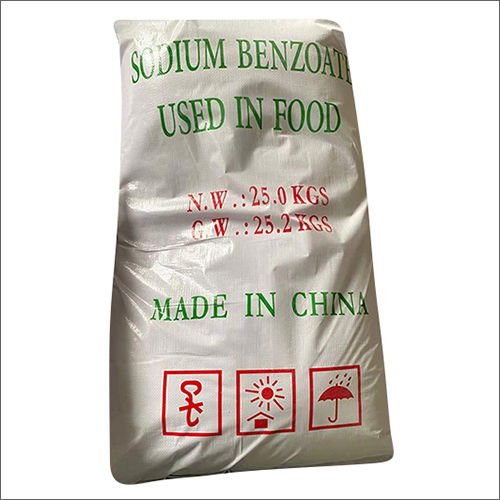
25Kg Sodium Benzoate
Price Range 150.00 - 500.00 USD ($) / Metric Ton
Minimum Order Quantity : 1 FCL 20 MT , , Metric Ton
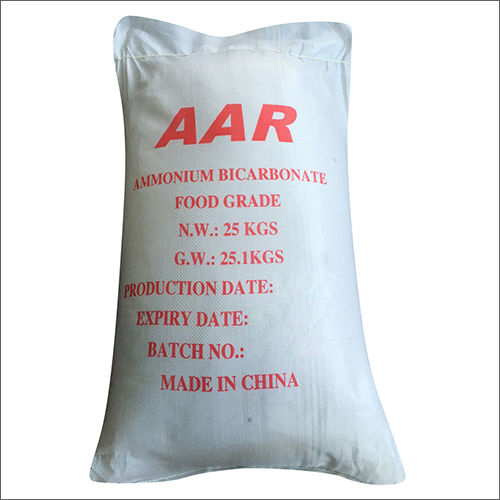
25Kg Food Grade Ammonium Bicarbonate
Price Range 150.00 - 500.00 USD ($) / Metric Ton
Minimum Order Quantity : 1 FCL 20 MT Metric Ton


 Send Inquiry
Our Products

Dongmafang, Yingcheng - 200435, Hubei, China
Contact Details
 :+86-13524158277
Email id: smalltown126@msn.com

Mr Mike Xia
(Sales Director)
Mobile :+8613524158277, +8615821886114
 Send Inquiry

Developed and Managed by Infocom Network Private Limited.
